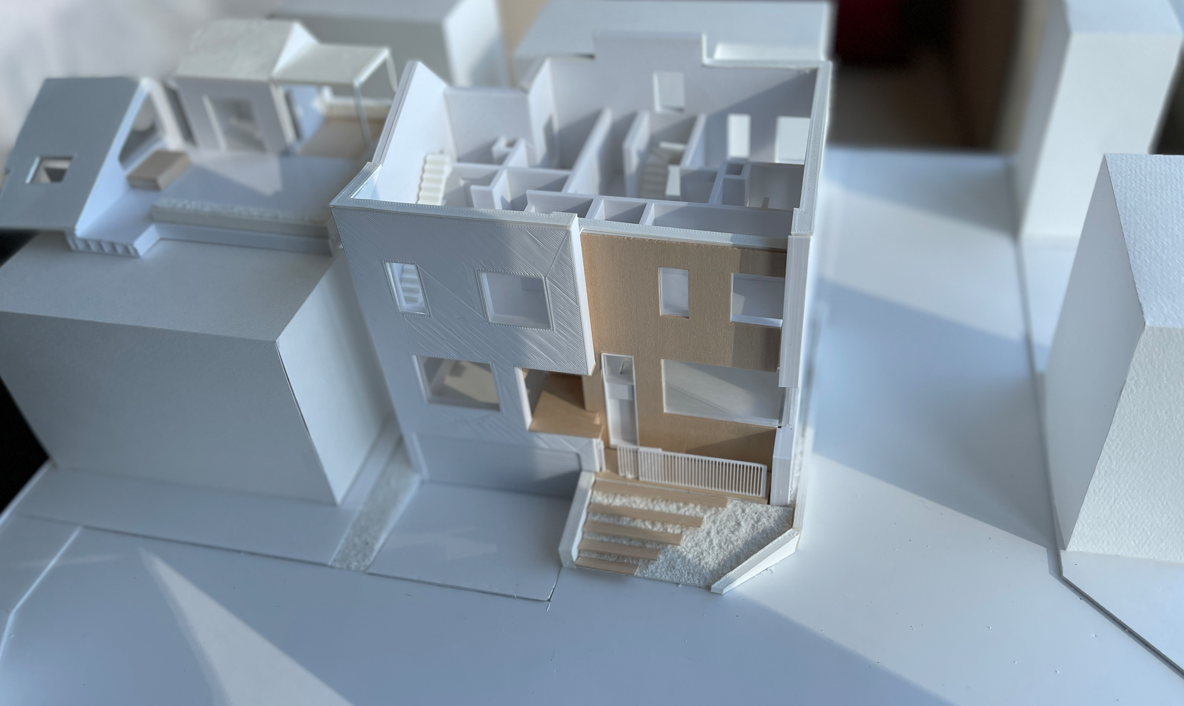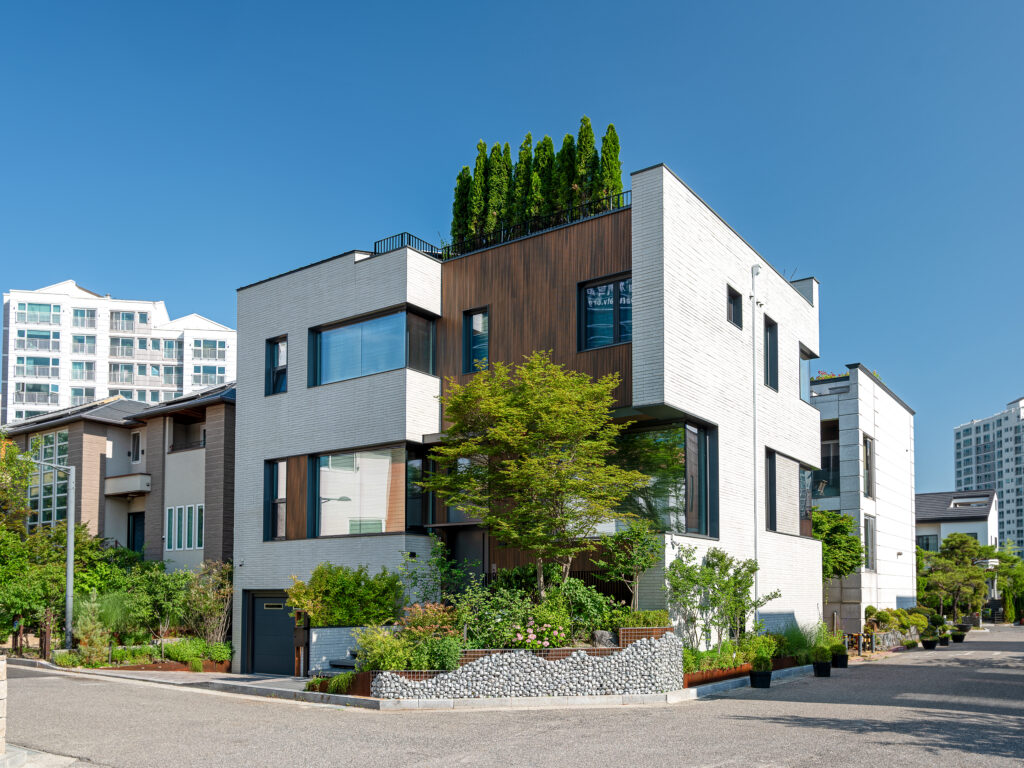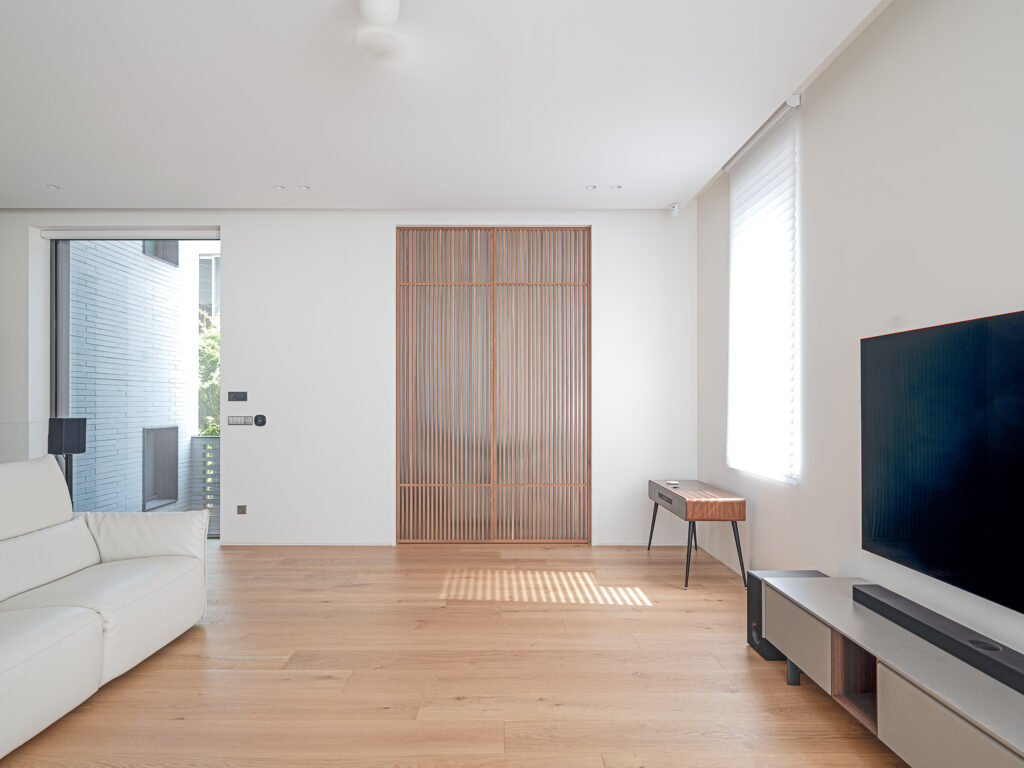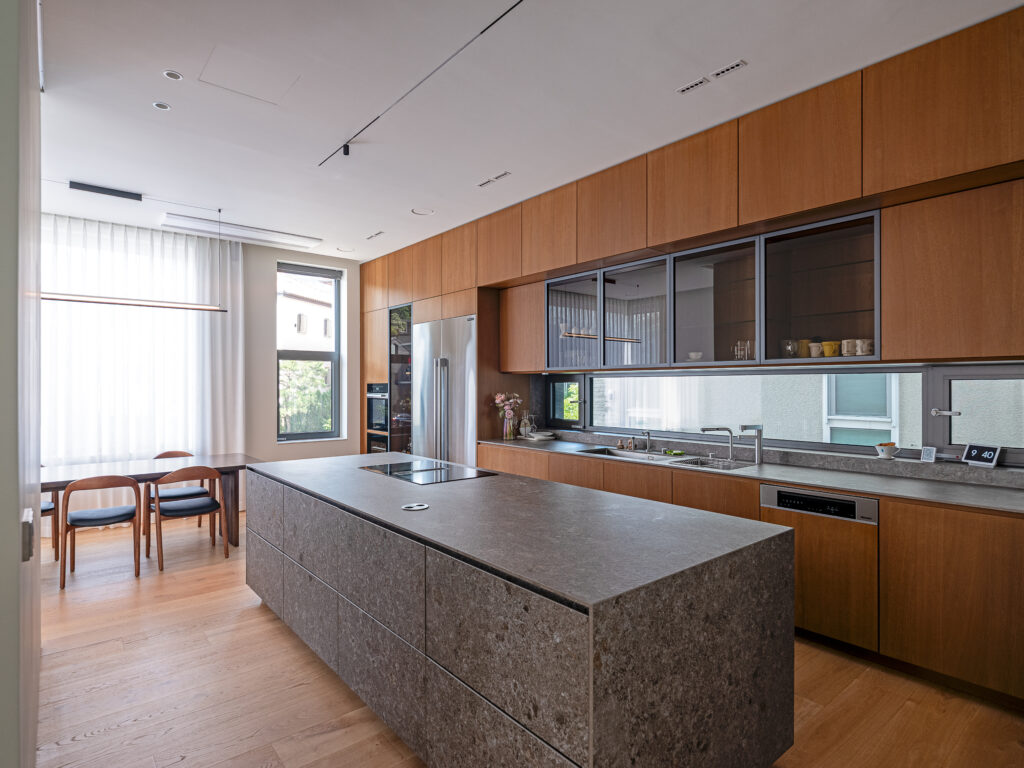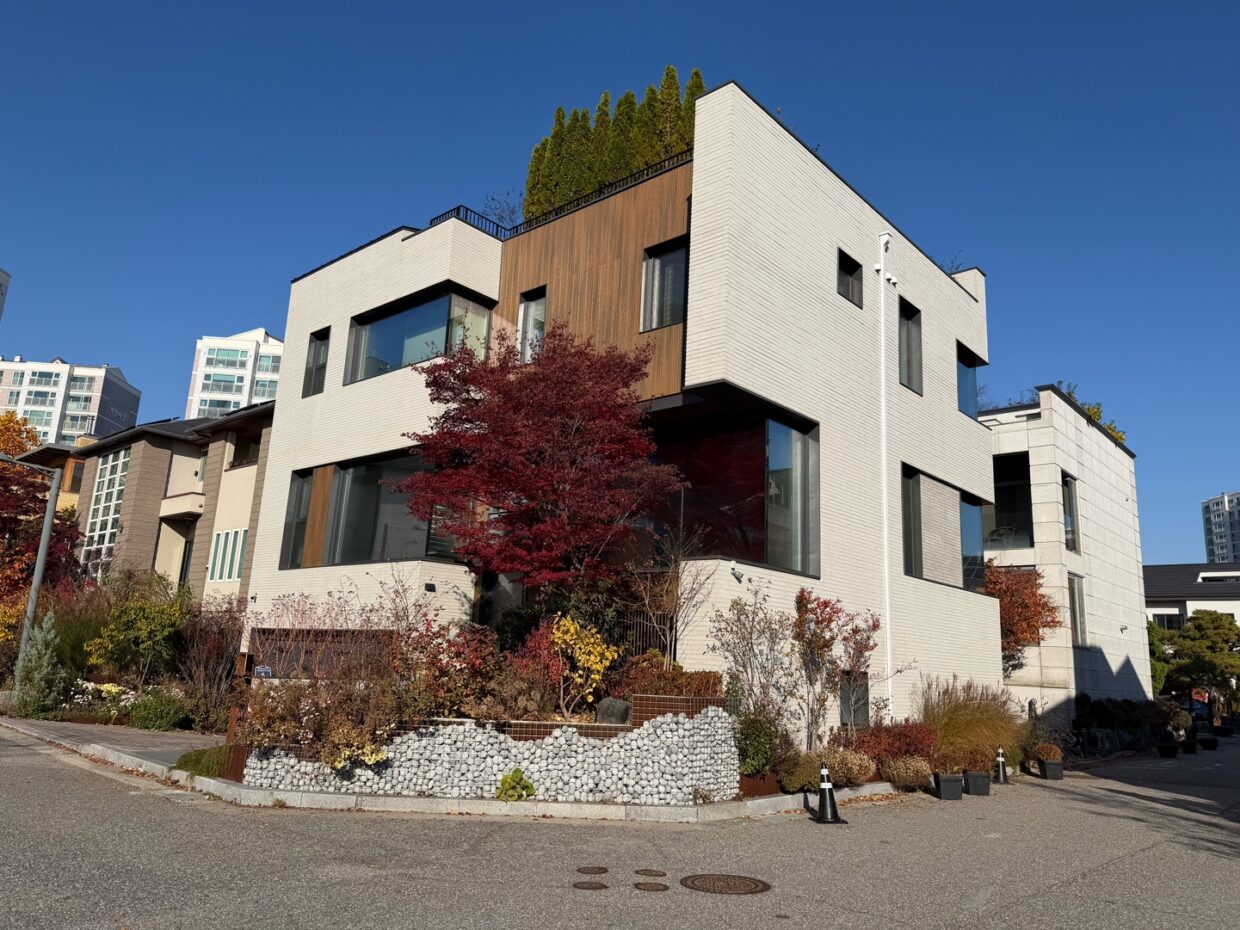
This project explores the idea of “in-between space” as an organizing architectural principle, which spaces that mediate between solid and void, interior and exterior, privacy and openness. Situated within a dense residential context, the house is conceived as a compact mass that is strategically carved to introduce light, air, landscape, and spatial depth.
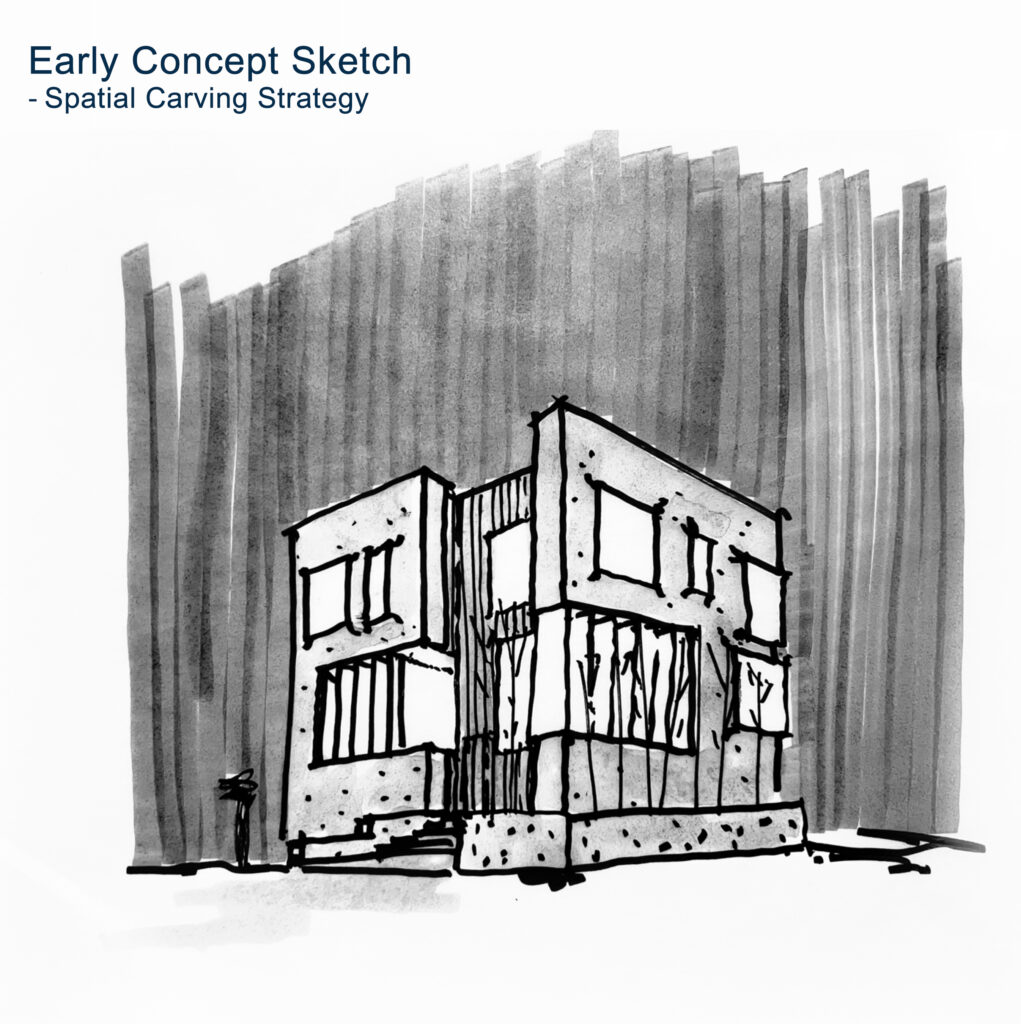
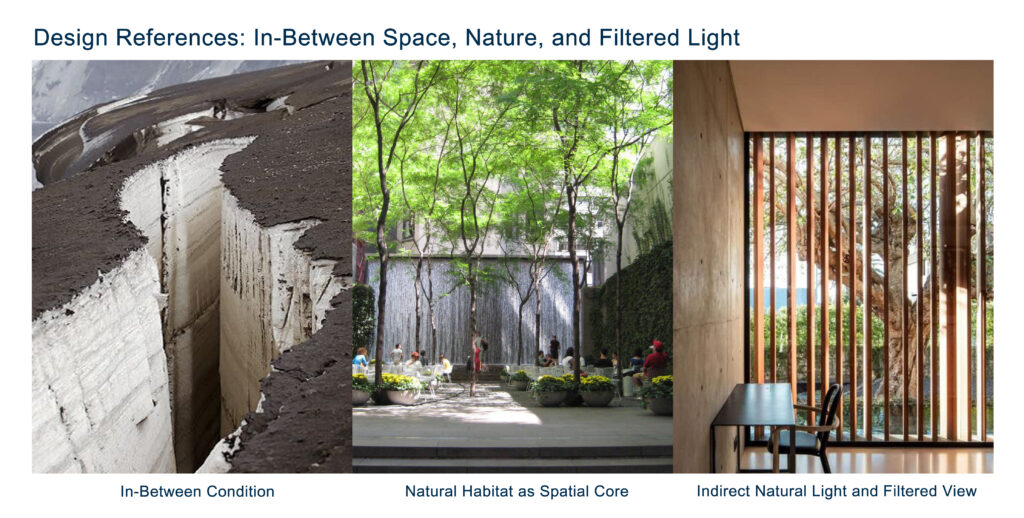
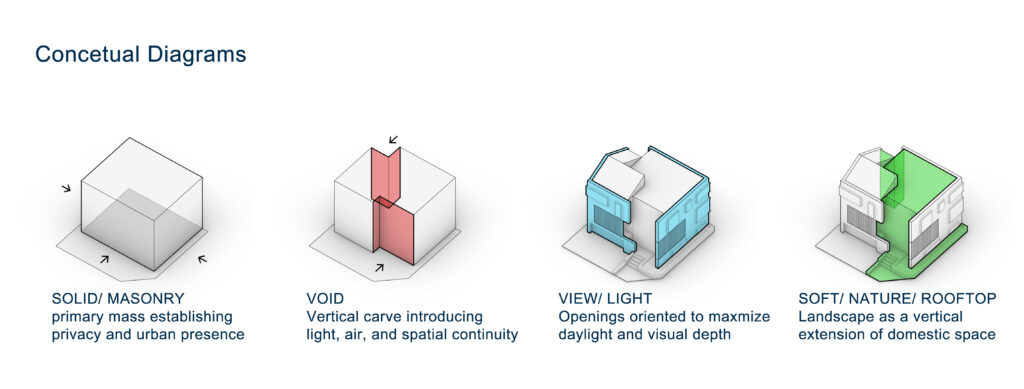
The design begins with a solid masonry volume, establishing privacy and a strong street presence. From this initial mass, a vertical void is introduced, forming a sunken garden that acts as the spatial and environmental heart of the house. This void brings daylight deep into the interior, promotes cross-ventilation, and creates visual connections across levels.
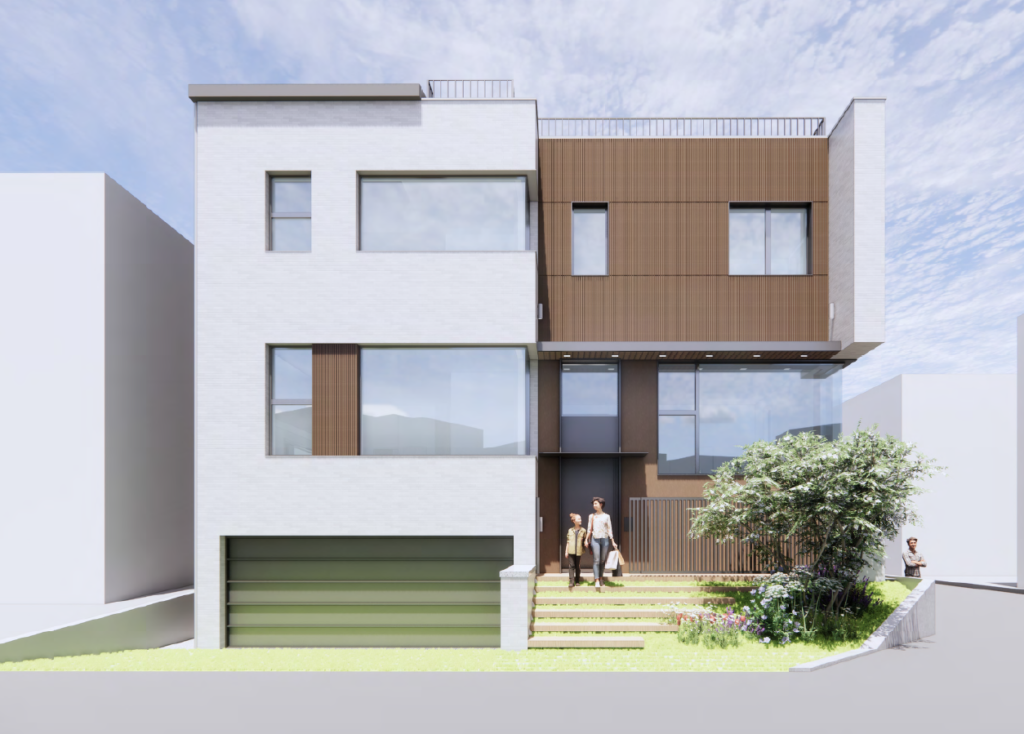
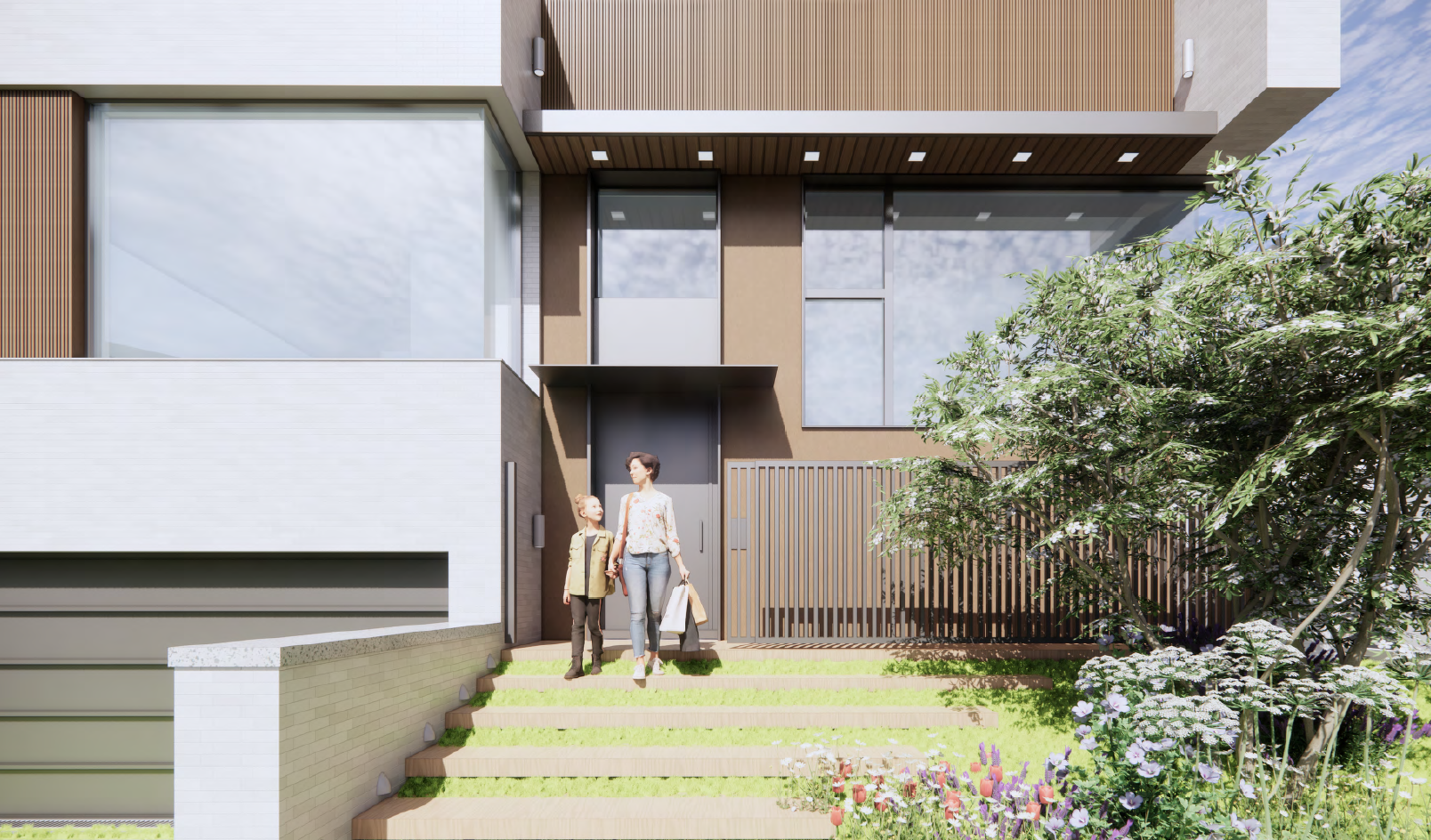
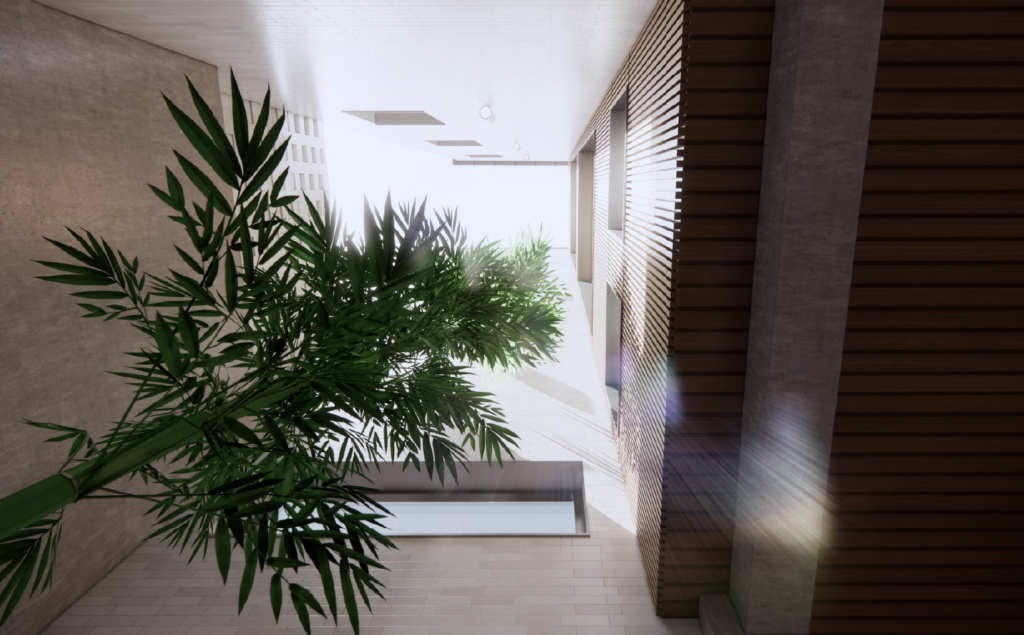
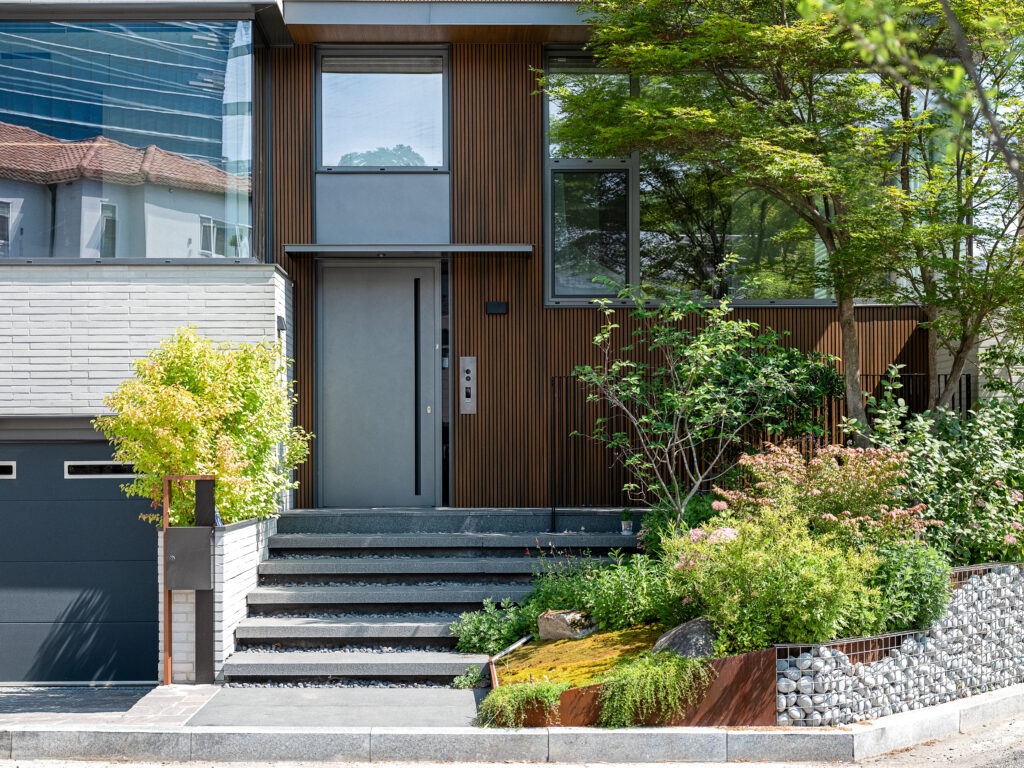
Living spaces are organized around this internal landscape, allowing daily activities to unfold in constant dialogue with nature. Filtered views and indirect natural light are achieved through carefully positioned openings, softening the building’s mass while maintaining a sense of enclosure. The material palette—masonry, wood, and glass—reinforces the contrast between solidity and warmth, permanence and tactility.
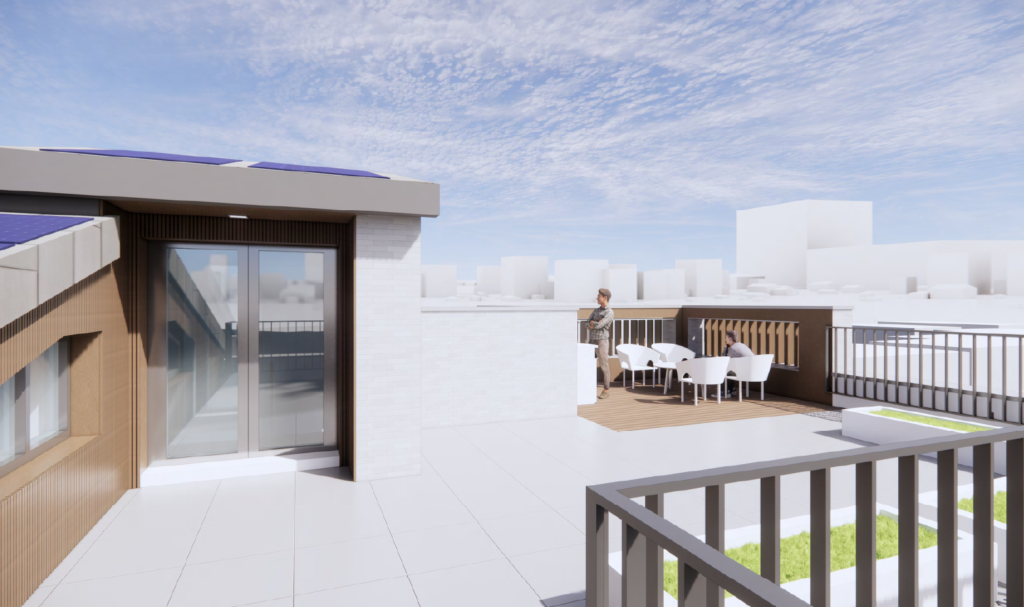
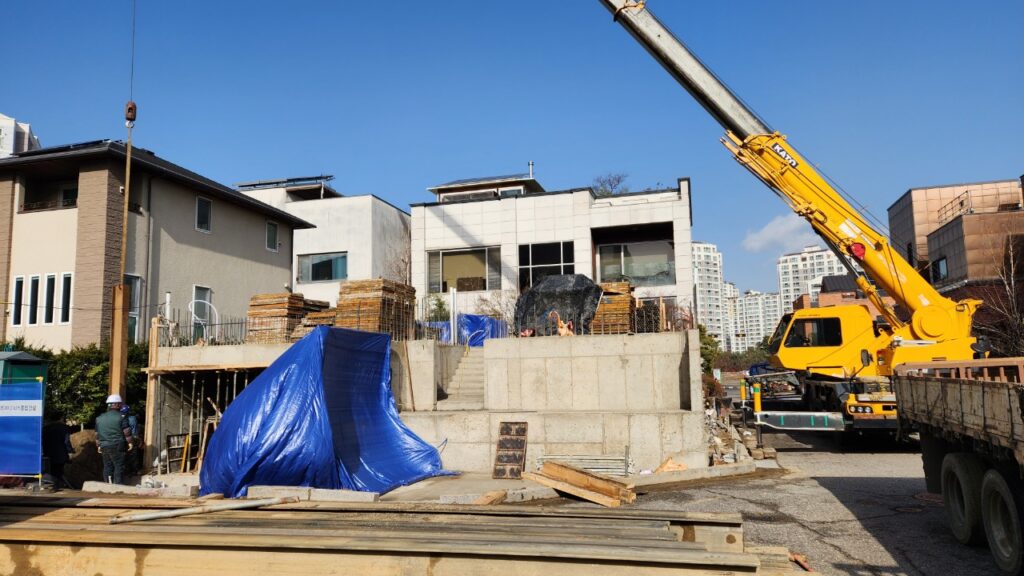
A rooftop garden completes the spatial sequence, extending the living environment vertically and providing a private outdoor retreat. Throughout the house, architecture is treated as a layered system—structural, environmental, and experiential—where design intent is translated into buildable form through careful coordination of materials, details, and construction logic.