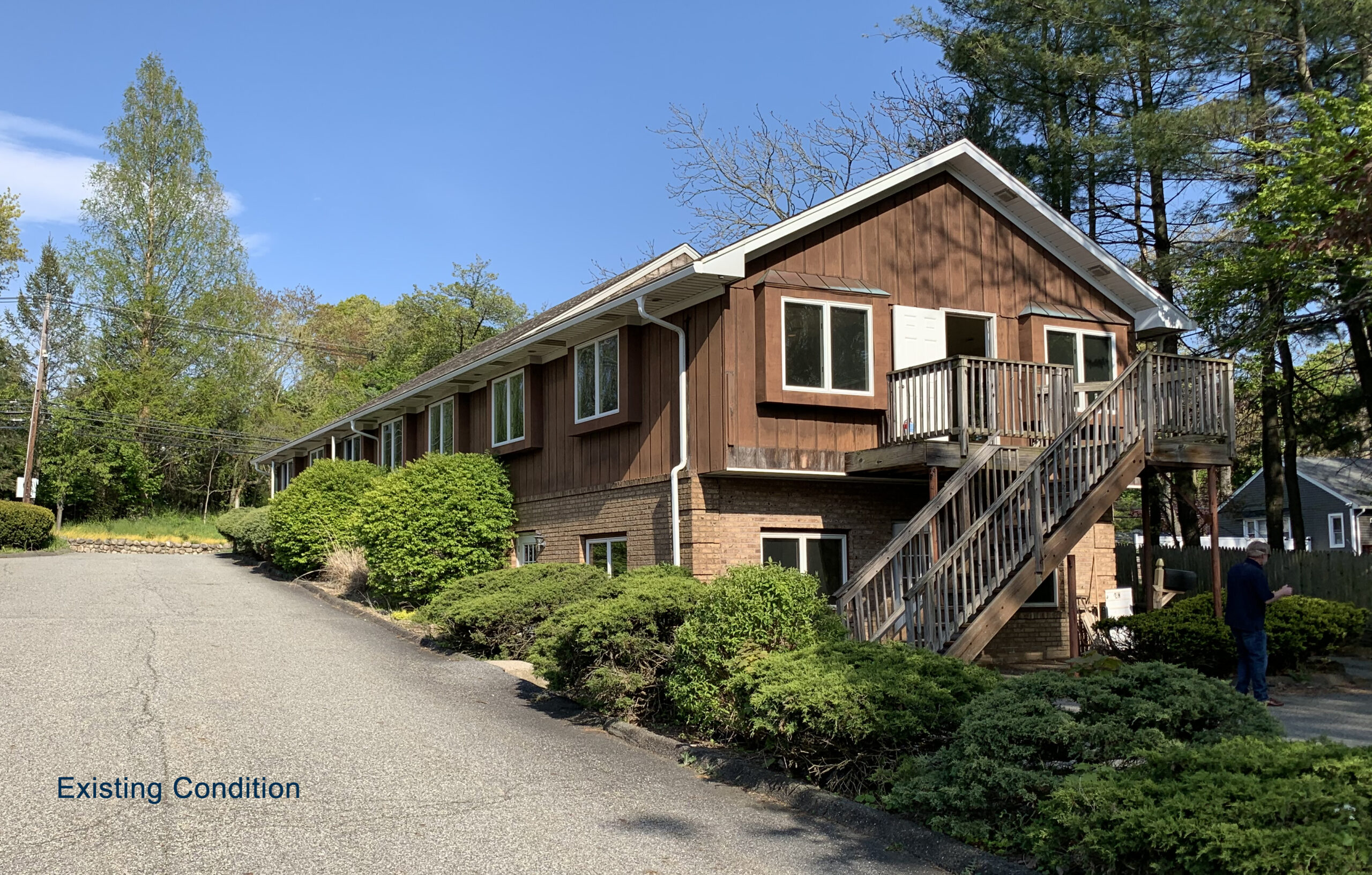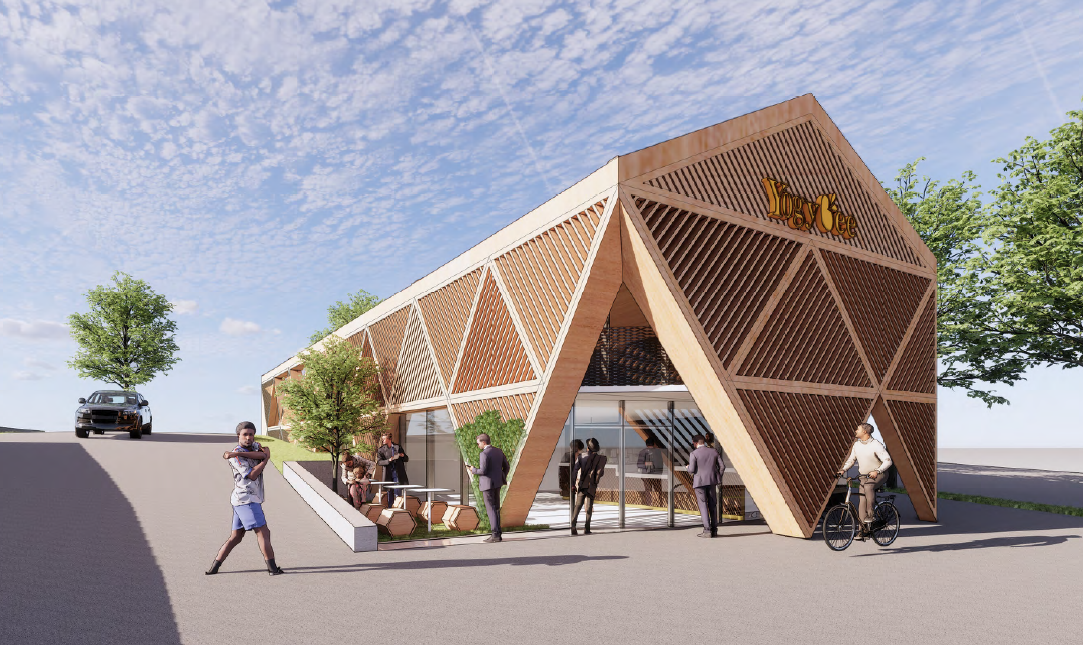
This project reimagines an existing mixed-use building through a timber-based renovation strategy, using cross-laminated timber (CLT), glulam framing, and high-performance glazing to create a contemporary, flexible environment for office and retail use. The design leverages mass timber not only as a structural solution, but as an architectural language that unifies program, performance, and identity.
Structure as Expression
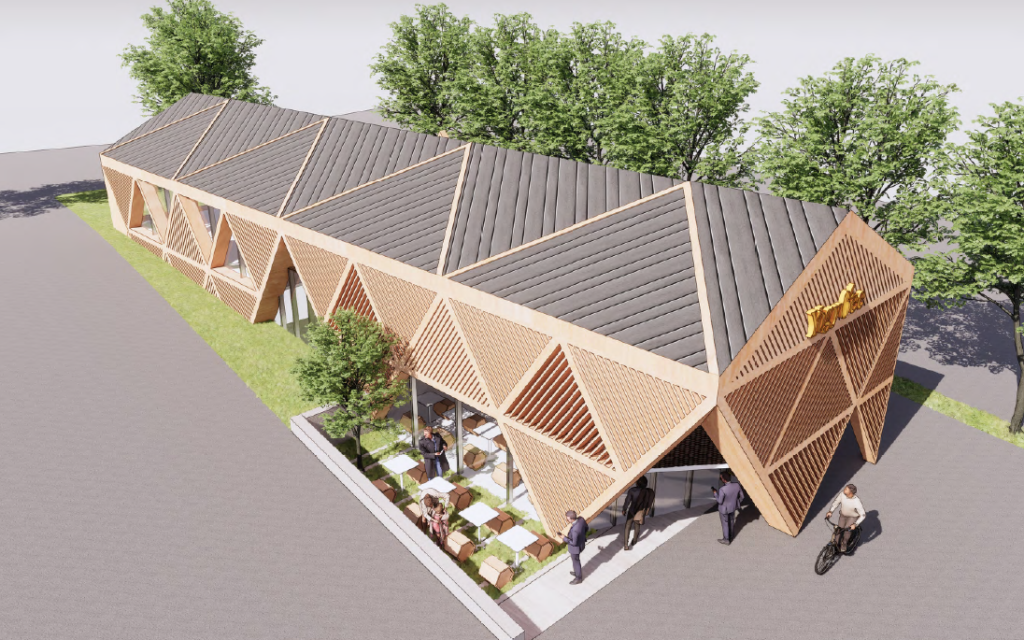
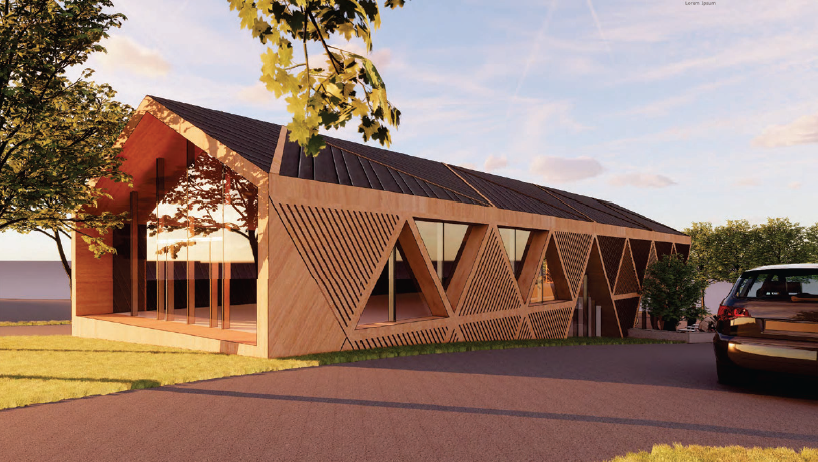
The design is driven by the idea that structure can act simultaneously as enclosure, shading device, and spatial organizer. A repeating triangular timber framework—constructed from glulam members—wraps the building envelope, creating a rhythmic façade that responds to scale, program, and orientation. This structural lattice establishes a strong civic presence while maintaining permeability and transparency at the street level for retail engagement.
Timber Construction & Sustainability
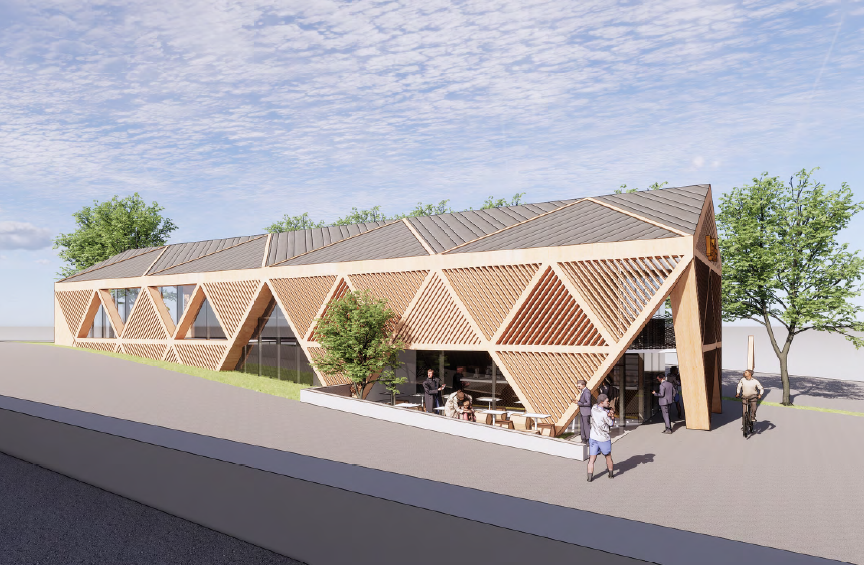
The renovation prioritizes mass timber construction as a sustainable alternative to conventional steel or concrete systems. CLT floor and roof panels provide structural efficiency and rapid assembly, while exposed glulam framing reinforces spatial clarity and material honesty. The timber envelope functions as a passive environmental device, offering solar shading, reducing heat gain, and improving occupant comfort. Combined with high-performance glazing, the system balances daylight access with energy efficiency.
Materiality & Craft
Timber is celebrated both structurally and experientially. The façade’s angled wooden members create shifting patterns of light and shadow throughout the day, lending the building a dynamic character while grounding it in natural materiality. Interior finishes extend this logic, using exposed wood surfaces to foster a tactile, human-scaled environment suited to contemporary work and retail cultures.
The project demonstrates how adaptive reuse and timber construction can transform a modest mixed-use building into a high-performing, expressive architectural intervention. By aligning structural logic, environmental performance, and programmatic clarity, the renovation establishes a sustainable model for small-scale commercial development rooted in craft, clarity, and material intelligence.